
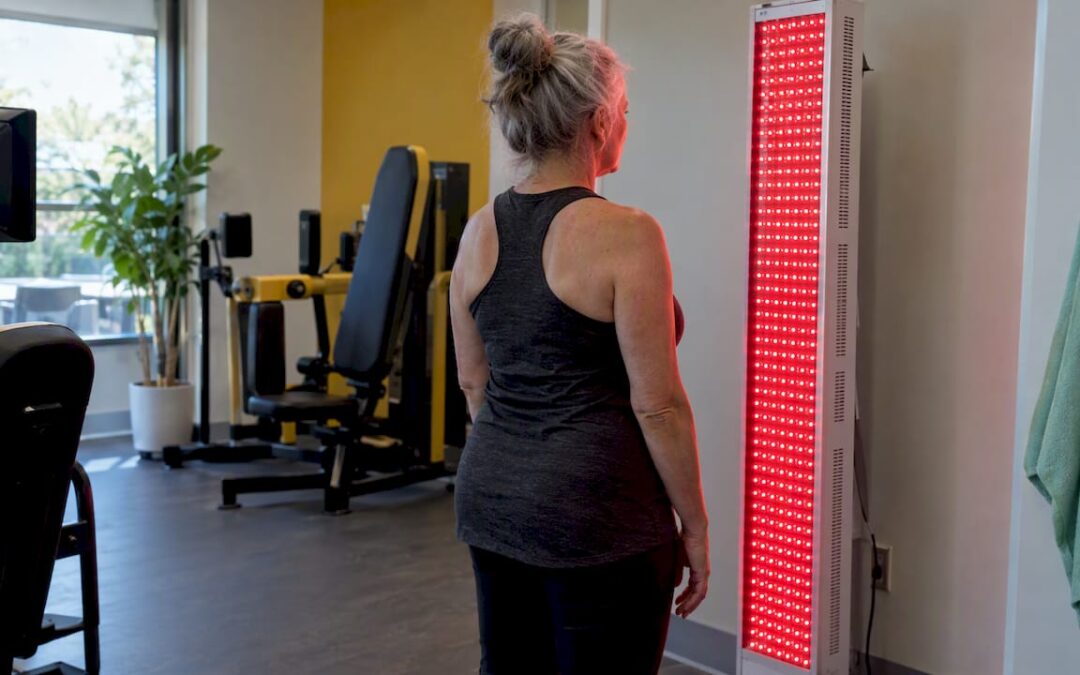
A red light therapy session is a short, low-heat light exposure, typically 10 to 20 minutes under a clinic panel or targeted device, with eye protection worn throughout. One session can leave your skin feeling warm or relaxed, but meaningful changes in skin, pain, or healing come from repeated sessions over several weeks following protocols backed by clinical consensus and FDA-cleared equipment.
TL;DR:
- Full body panels typically run 10 to 20 minutes, while localized devices may need 5 to 15; distance and intensity determine dose.
- Protocols start with three to five weekly sessions; skin changes may take four to eight weeks, while hair regrowth can require three to six months.
- Expert consensus supports photobiomodulation for peripheral neuropathy, hair loss, ulcers, and certain pain conditions, but acne, scarring, and broad antiaging claims need more trials.
- Wear protective goggles throughout every session, and consult a clinician first if you take photosensitizing medication, have photosensitivity, or are pregnant.
- Clinic prices vary by device and location, while packages can lower visit costs; FDA clearance signals a safety review, not guaranteed results.
Table of Contents
- What happens during an in-clinic session
- How long a session lasts and how often you should go
- What the research actually supports
- Safety, contraindications, and protecting your eyes
- What sessions typically cost and where to get them
- Getting ready, staying safe during, and aftercare
- How we pair red light therapy with osteogenic loading
- A realistic view on consistency and when to seek supervised care
- Try a session alongside your osteogenic loading visit
- FAQ
- Sources
What happens during an in-clinic session
You will usually start with a brief intake covering your health history, current medications, and the specific goal for the visit, whether that is skin, joint pain, or recovery support. Staff will point you toward the device that fits your target area.
- Standing panels treat larger areas like the back or legs, while face panels, localized pads, and hair caps focus on smaller zones.
- You stay clothed, though the treated area is typically exposed and free of lotion or makeup.
- Protective goggles go on before the device activates, and you will feel gentle warmth but no pain or stinging.
- A staff member checks in partway through and again at the end to confirm comfort and timing.
Sessions are quiet and low effort. Most people read, rest, or simply wait out the timer.
How long a session lasts and how often you should go
Session length depends on the device and target area. Full-body panels commonly run 10 to 20 minutes, while localized pads or caps can be shorter, often 5 to 15 minutes. Frequency during the first few weeks is commonly 3 to 5 sessions per week, tapering to a maintenance schedule once you see results.
The underlying concept is dose: irradiance (light intensity) multiplied by time determines how much energy reaches the tissue. A device held closer or set to higher intensity needs less time to deliver the same dose, which is why distance and device strength both matter more than minutes on a clock.
- Skin and surface goals typically start on the lower end of exposure time with frequent, short sessions.
- Deeper targets such as joints or muscle tissue often need longer exposure or higher irradiance to reach the same relative dose.
- Hair regrowth protocols tend to run longest in total duration before results appear.
Pro Tip: Keep sessions consistent rather than long: three short sessions a week beat one marathon session for most goals.
Timelines vary by goal: skin texture changes are commonly reported around 4 to 8 weeks, pain relief sometimes arrives sooner, and hair regrowth often takes several months of consistent use.
What the research actually supports
A multidisciplinary expert panel found photobiomodulation safe for adults and effective for several specific conditions, including peripheral neuropathy, androgenic alopecia, wound ulcers, and certain pain indications. That consensus is the strongest evidence base behind red light therapy today.
- Skin benefits center on collagen stimulation, with texture and fine-line improvements reported after weeks of regular use, not a single visit.
- Pain and musculoskeletal applications, along with wound healing, have support from the same expert consensus panel.
- Hair regrowth has documented evidence but typically requires the longest commitment, often three to six months in trial settings.
- Cosmetic uses like acne and scarring are described by Cleveland Clinic as promising but still needing more clinical trials to confirm effectiveness.
Among the better-supported outcomes, pain relief and wound healing carry the strongest consensus backing, while skin texture and hair regrowth remain real but slower-building effects.
Some uses, particularly broad anti-aging claims, still sit ahead of the available trial evidence, so treat marketing promises with a healthy dose of skepticism.
Safety, contraindications, and protecting your eyes
Photobiomodulation has a strong safety record. Consensus research describes it as low-risk and not associated with DNA damage, and FDA clearance on a device signals that regulators have reviewed it for basic safety standards.
- Photosensitizing medications, certain light-sensitive skin conditions, and pregnancy are reasons to check with a clinician before starting, a point our contraindications guide covers in more detail.
- Darker skin tones generally tolerate red light therapy well, though any new sensitivity or irritation is worth reporting to staff.
- Eye protection is non-negotiable; goggles should be worn for every session, clinic or home.
- Redness, excessive warmth, or discomfort that lingers after a session is a sign to scale back frequency or duration.
Harvard Health describes the treatment as biologically plausible and generally low-risk, while noting that optimal doses are still being refined, which is part of why professional guidance matters.
What sessions typically cost and where to get them
Per-session pricing varies by device type, the clinic’s market, and whether other therapies are bundled into the visit. Localized pad treatments tend to cost less than full-body panel sessions, and clinics in larger metro markets often charge more than smaller studios.
- Membership or package pricing usually lowers the per-session cost for people committing to a multi-week protocol.
- Clinic-grade panels generally deliver higher irradiance than most consumer devices, which is part of why professional sessions can produce results faster per visit, a distinction Stanford Medicine clinicians have pointed out.
- Before choosing any device, confirm it carries FDA clearance, which indicates a baseline safety review rather than a guarantee of results.
- Our osteogenic loading program is offered through membership and session packages; pricing details are available when you reach out directly.
Getting ready, staying safe during, and aftercare
A little preparation helps you get more out of each visit. Arrive with clean skin, free of makeup or heavy lotion, since product buildup can block light absorption on treated areas.
- Confirm with staff whether any topical products should be skipped before your visit.
- Wear goggles the entire time and keep to the recommended distance from the device rather than leaning closer.
- Avoid treating the same area twice in one day, since more exposure does not speed up results.
- Apply sunscreen to treated skin if you will be in the sun afterward, and use a gentle moisturizer if your skin feels dry.
Pro Tip: Log the date, device type, distance, and session time after each visit, along with how your skin or pain felt. That record makes it far easier to spot real progress over weeks.
How we pair red light therapy with osteogenic loading
Our members typically come in once a week for a brief, supervised osteogenic loading session, the core of our bone-density protocol, and add red light therapy, PEMF, BioCharger, compression, or hydromassage around that visit for recovery and wellness support. Staff coordinate timing so loading and recovery therapies complement rather than compete for the same visit window.

Members can adjust how often they use red light therapy and other recovery tools based on their goals and schedule. Anyone managing a complex medical condition should talk with a clinician before adding new therapies to a wellness routine.
A realistic view on consistency and when to seek supervised care

Red light therapy rewards patience more than intensity. One session will not transform your skin or erase joint pain, but a steady few-times-a-week habit over weeks tends to produce the outcomes people actually want.
Supervised clinic care makes the most sense for anyone managing a medical condition, taking photosensitizing medication, or simply wanting a program backed by proper equipment and informed staff. Track your results and bring the pattern to a clinician if something feels off or progress stalls.
— Aaron
Try a session alongside your osteogenic loading visit
Our centers pair red light therapy with weekly osteogenic loading so recovery support and bone-building work happen in the same visit instead of separate appointments across town. Membership includes access to various recovery and wellness therapies alongside your core loading session.
If you take photosensitizing medication or manage a light-sensitive condition, mention it when you book so staff can tailor your first visit. You can book a visit at OsteoStrong to see how a session fits into your routine.
FAQ
What to expect for a red light therapy session?
Expect a short, low-heat light exposure, usually 10 to 20 minutes, while wearing protective goggles and standing or sitting near a panel or targeted device. Staff typically check in before and after to confirm positioning and comfort, and most people feel only mild warmth with no pain.
What is the downside of red light therapy?
The main drawback is that results build slowly, requiring weeks of consistent sessions rather than appearing after one visit. Some conditions, like photosensitivity from certain medications, call for caution, so checking with a clinician beforehand is worthwhile.
How much does a single session of red light therapy cost?
Pricing varies widely by clinic, device type, and location, and no single published figure applies everywhere. Membership or package pricing often lowers the effective cost per visit for people committing to a multi-week protocol; pricing for osteogenic loading and red light therapy is available when you reach out directly.
Does one session of red light therapy do anything?
A single session can leave skin feeling warm or slightly more relaxed, but lasting changes in skin texture, pain, or hair growth require repeated sessions over weeks. Clinical consensus points to cumulative, dose-based exposure as the mechanism behind real results, not a one-time effect.
Sources
- Evidence-based consensus on the clinical application of photobiomodulation
- Red light therapy for skin care