
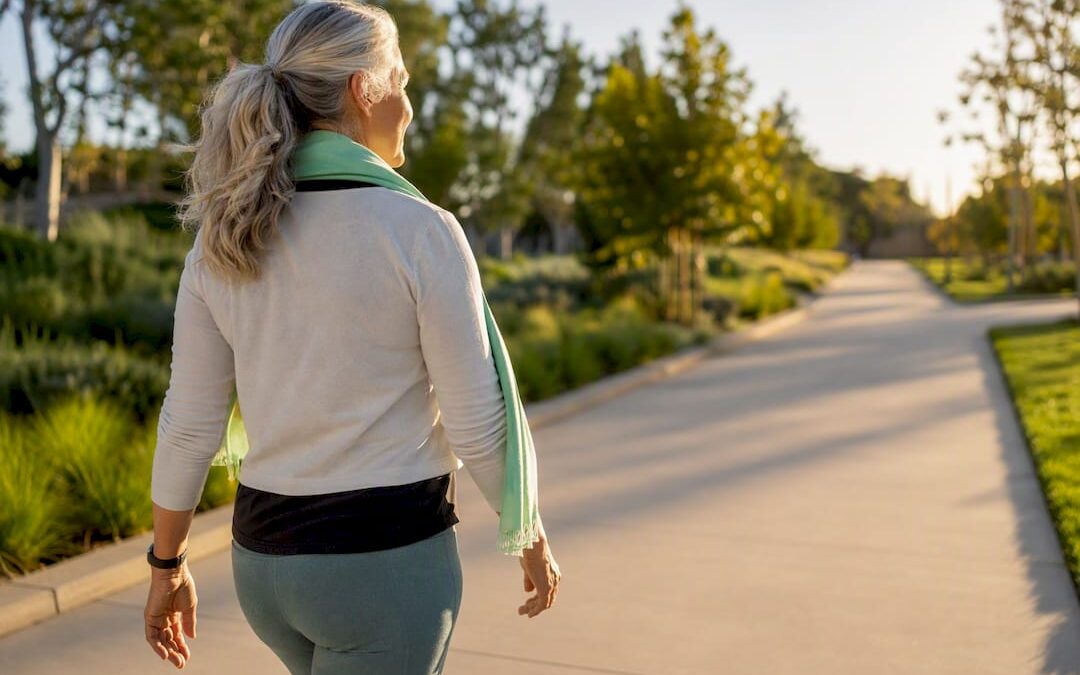
Yes, you can rebuild bone density, but only within limits: high-intensity resistance training combined with adequate calcium, vitamin D, and protein slows or partially reverses bone loss for many adults. The main levers are progressive strength training, weight-bearing impact, targeted nutrition, and a monitored plan through your clinician. Expect DXA-detectable improvement to take many months to years, not weeks.
TL;DR:
- High-intensity resistance training at 70% or more of one-rep max, performed three times weekly for at least 48 weeks, can produce measurable improvements in bone density.
- Adequate daily calcium and vitamin D intake, primarily from food sources like dairy and fortified greens, are essential to support bone rebuilding efforts.
- Bone density improvements usually become visible with DXA scans after 12 to 24 months of consistent, targeted exercise and nutrition; short-term markers can show changes within months.
- Lifestyle habits such as quitting smoking, moderating alcohol consumption, and reducing fall hazards are critical for maintaining and protecting gains in bone density.
- Supervised osteogenic loading sessions using specialized equipment offer a low-frequency, structured alternative to traditional gym programs for high-risk individuals.
Table of Contents
- Practical Checklist: The 6 Actions To Start Now
- Exercise Plan That Stimulates New Bone: What To Do, How Often, and How To Progress
- Nutrition and Supplements That Support Rebuilding Bone
- Lifestyle and Fall Prevention: Reduce Risks That Undo Gains
- How Progress Is Measured and What Timeline To Expect
- Osteogenic Loading and In-Center Therapies: What Fits Alongside Evidence-Based Care
- Author Perspective: Practical Next Steps and Realistic Expectations
- Weekly Osteogenic Loading: A Direct Way To Learn More
- Sources
Practical Checklist: The 6 Actions To Start Now
Rebuilding bone mineral density is less about one silver-bullet fix and more about stacking several small, consistent habits. Here’s where to put your energy first, roughly in the order that matters most:
- Start resistance training (or a supervised osteogenic loading session) and build in progressive overload every few weeks rather than repeating the same weight indefinitely.
- Hit your daily calcium and vitamin D targets through food first, and take an honest look at whether your protein intake supports muscle and bone maintenance.
- Get a baseline DXA scan if you’re over 50, postmenopausal, or have risk factors, and talk to your clinician about medications and fall risk before ramping up intensity.
- Cut back on smoking and heavy drinking, and walk through your home for trip hazards while improving your balance.
- Set a 12 to 24 month monitoring plan with repeat testing so you’re not guessing whether anything is working.
- Get medical clearance first if you’ve had a recent fracture or a serious health condition, before starting anything high-impact or high-intensity.
None of these six actions works in isolation. A person who lifts heavy but eats little protein, or one who supplements calcium but never loads their skeleton, tends to plateau fast.
Exercise Plan That Stimulates New Bone: What To Do, How Often, and How To Progress
Bone responds to mechanical stress, not gentle movement. A 2025 systematic review and meta-analysis covering 17 randomized trials and 690 postmenopausal women found that high-intensity resistance training at 70% or more of one-rep max, done roughly three times a week, for programs lasting 48 weeks or longer, produced measurable BMD gains at the lumbar spine, femoral neck, and total hip. Lighter, sporadic training didn’t show the same effect.
That intensity threshold surprises a lot of people who assume gentle toning exercises are enough. They aren’t. Bone remodels in response to real mechanical load, and research on bone turnover markers shows exercise raises formation markers even before DXA scans can detect a change, which is a useful signal that something is happening beneath the surface long before the scan catches up.
Here’s a practical weekly structure to work toward:
- Two to three resistance sessions per week built around compound movements: loaded squats, deadlift variations, rows, and presses. Older adults or beginners can substitute machine-based leg presses or supervised osteogenic loading equipment for free weights.
- Two to three weight-bearing sessions, mixing brisk walking, stair climbing, or an elliptical machine for people who need lower joint impact, with higher-impact options like tennis or pickleball for those cleared for it, since both sports load the hips and spine directly.
- One to two balance and mobility sessions, such as tai chi or targeted single-leg balance drills, which the NIAMS exercise guidance recommends alongside strength and impact work to cut fracture risk from falls.
Progress load gradually. Going from a 10 to 20 pound weighted vest to 25 or 35 pounds across a few months is a reasonable pace, and the same principle applies to barbell weight or resistance band tension. Jumping too fast raises injury risk without adding extra bone benefit.
Pro Tip: If joint pain rules out squats or lunges, a weighted vest worn during regular walks adds osteogenic stimulus without the impact, and it’s a technique documented in a multi-year case report that paired vest walking with strength training and diet changes.
Stop and check with a clinician if you notice new sharp pain, swelling, or a sudden drop in exercise tolerance. Those are signs your program needs adjusting, not signs to push through.
Nutrition and Supplements That Support Rebuilding Bone
Training breaks down and rebuilds bone tissue, but without the raw materials to rebuild with, that stimulus goes to waste. Calcium needs vary by age. Most adults need around 1,000 to 1,200 milligrams of calcium daily, with higher amounts generally recommended for older adults.
Food-first sources beat supplements when you can manage it:
- Dairy products (milk, yogurt, cheese)
- Canned salmon or sardines eaten with the bones, which pack far more calcium than a boneless fillet
- Calcium-set tofu and fortified plant milks
- Leafy greens, though spinach and chard carry oxalates that bind calcium and reduce absorption, so lower-oxalate greens like kale or bok choy are better calcium sources
Roughly 10 million Americans have osteoporosis and another 44 million have low bone density, a scale that makes food-based prevention relevant well before anyone reaches for a prescription.
Vitamin D governs how much of that calcium actually gets absorbed. A blood test for 25-hydroxyvitamin D tells you where you stand, and many adults need 800 to 1,000 IU daily or more if levels run low, ideally guided by that test rather than guesswork.
Protein matters more than most bone-health advice admits. Aim for roughly 1.0 to 1.2 grams per kilogram of body weight daily, spread across three or four meals rather than loaded into one, since muscle and bone both respond better to steady amino acid supply.
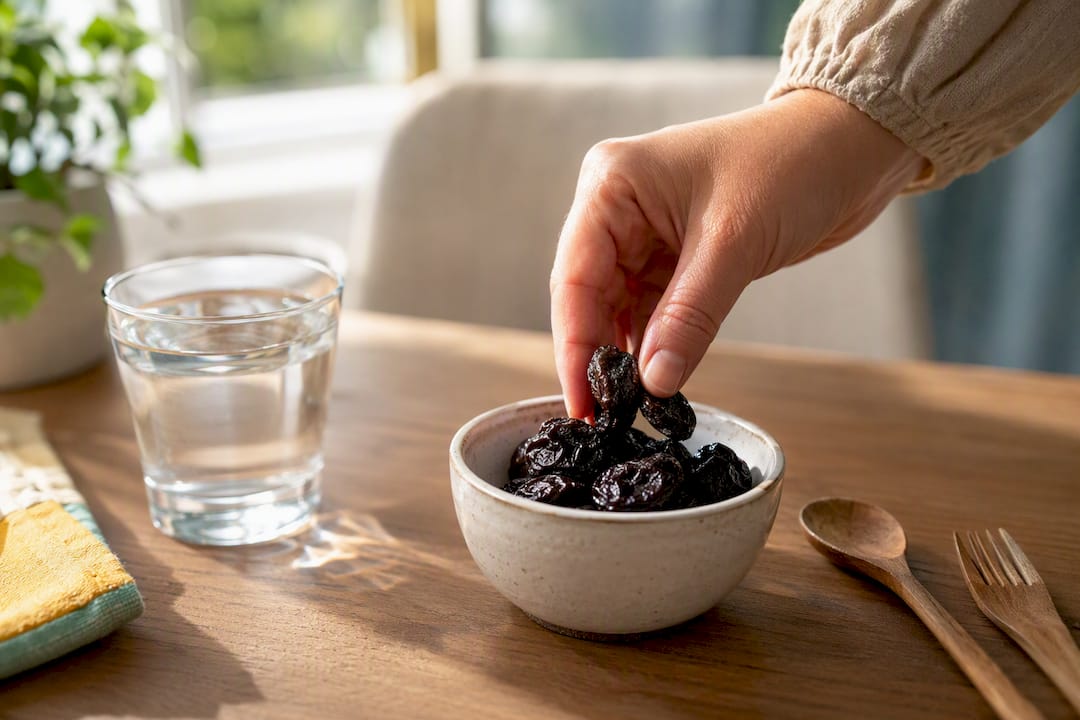
One food-based intervention has real trial backing: a 2022 study cited by Harvard Health found that postmenopausal women who ate prunes daily showed bone benefits compared to those who didn’t. On the supplement side, be cautious of strontium products marketed for bone density. Evidence is thin, and megadosing calcium supplements beyond what your diet needs raises kidney stone risk without adding bone benefit. If you’re on blood thinners, thyroid medication, or have kidney disease, talk to your provider before adding any new supplement.
Lifestyle and Fall Prevention: Reduce Risks That Undo Gains
You can do everything right in the gym and still lose ground if daily habits work against you. A few adjustments protect the progress you’re building:
- Quit smoking. Tobacco use directly impairs bone-forming cells and accelerates loss regardless of how much you train.
- Limit alcohol to moderate levels, since heavy drinking interferes with calcium balance and raises fall risk.
- Avoid being underweight. A low body mass index is one of the stronger predictors of low bone density, and unintentional weight loss in older adults deserves medical attention, not just praise.
- Review medications with your clinician, since long-term steroid use, certain anticonvulsants, and some acid reducers accelerate bone loss.
- Fix the fall hazards at home: loose rugs, poor lighting on stairs, and cluttered walkways cause more fractures than most exercise injuries ever will. A referral to a formal balance program is worth asking for if you’ve fallen in the past year.
How Progress Is Measured and What Timeline To Expect
A DXA scan reports a T-score, which compares your bone density to a healthy young adult, and a Z-score, which compares you to people your own age and sex. T-scores drive most osteoporosis and osteopenia diagnoses, and clinicians typically consider a change meaningful when it exceeds the scan’s measurement error, usually a few percentage points at the spine or hip.
Testing cadence depends on risk. Adults with osteopenia or osteoporosis often get scanned every one to two years, while lower-risk adults may go longer between scans, per the diagnostic framework outlined by the Cleveland Clinic.
Bone turnover markers, blood or urine tests that track formation and breakdown activity, can shift within months of starting a new exercise or nutrition program. That’s faster feedback than DXA offers, though these markers have limitations. They show direction, not the actual density number, so they work best alongside scans rather than instead of them.
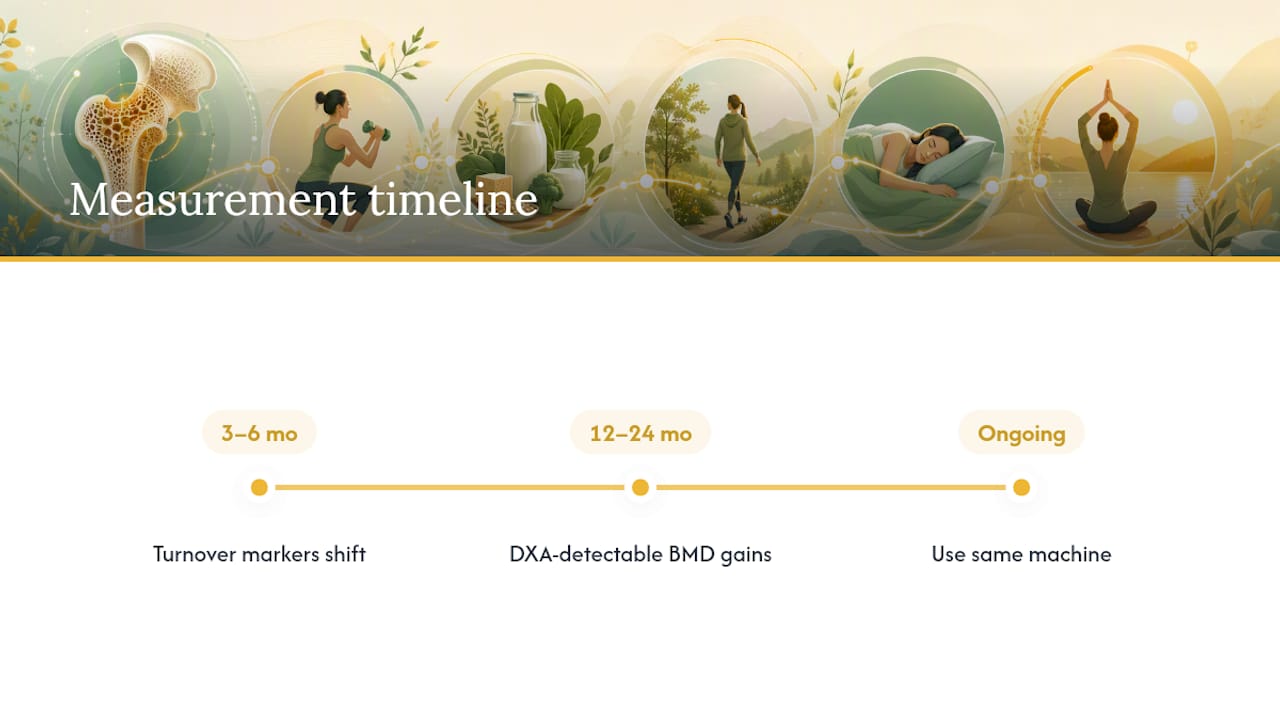
Realistically, expect turnover markers to move first, sometimes within three to six months, while DXA-detectable BMD gains generally take 12 to 24 months or longer, depending on how intense your program is and where you started. Keep every scan at the same facility using the same equipment when possible, since switching machines introduces variability that can look like a real change when it isn’t.
Osteogenic Loading and In-Center Therapies: What Fits Alongside Evidence-Based Care
Osteogenic loading applies brief, high-force mechanical loads to the skeleton through specialized equipment, aiming to trigger the same bone-building response that heavy resistance training produces, but in a shorter, supervised session. The typical protocol is one session per week, guided by a coach, rather than the multiple weekly workouts a traditional strength program requires.
That weekly structure appeals to people who struggle with gym adherence or who want supervision while learning to load their skeleton safely. It’s a complement to home exercise and good nutrition, not a replacement for either.
Some wellness centers offer supportive wellness modalities such as:
- Red light therapy
- PEMF mats
- BioCharger sessions
- Vibration plates
- Compression therapy and hydromassage lounges
Evidence quality varies across these therapies, and none should replace medically monitored core treatment for diagnosed osteoporosis.
Pro Tip: At a first visit, ask what your baseline assessment measures, how progress gets tracked over months, and whether the center coordinates with your physician if you’re already on osteoporosis medication.
Good candidates include people cleared by a clinician who want structured, supervised loading and don’t want to design a program from scratch.
Author Perspective: Practical Next Steps and Realistic Expectations
Prioritize in this order: strength training first, nutrition second, measurement third. Skip any one of the three and the other two underperform. If you’re at real risk, don’t wait for the scan to force your hand. Loop in your clinician now, get a DXA scheduled, and use the checklist above as your starting line, not your finish line.
— Aaron
Weekly Osteogenic Loading: A Direct Way To Learn More
Traditional gym programming works, but it demands consistency most adults struggle to sustain over the 48-plus weeks the research says you need. Some centers offer a different route to the same goal: one supervised session per week using osteogenic loading equipment, paired with complementary therapies like red light and PEMF, all without redesigning a program yourself or committing to multiple weekly gym visits.
Good candidates include adults with osteopenia or osteoporosis, anyone who wants supervised, low-time-commitment loading, and people who’ve tried and abandoned home programs before. A first visit typically covers a baseline strength and skeletal assessment, a conversation about health history, and a plan for how sessions fit around any current treatment. Confirm medical clearance with your own physician first, especially with a recent fracture or active bone medication. If a weekly, structured option sounds like a better fit than building your own routine, check center locations and current session details to book a first visit.
This article is general information, not a substitute for advice from a qualified doctor. Consult a qualified healthcare professional about your own circumstances before acting on anything here.
Sources
- Optimal resistance training parameters for improving bone mineral density in postmenopausal women: a systematic review and meta-analysis
- Effects of exercise on bone mineral density and bone turnover markers in adults: a systematic review and meta-analysis
- Case report: integrated lifestyle modification leading to BMD gains in postmenopausal woman
- Exercise for your bone health — NIAMS (NIH)
- Surprising foods that boost bone health — Harvard Health Publishing