

Compression boots are not safe for everyone. If you have an active deep vein thrombosis (DVT), critical peripheral arterial disease (ankle-brachial pressure index below 0.6, ankle systolic pressure below 60 mmHg, toe pressure below 30 mmHg, or transcutaneous oxygen pressure below 20 mmHg), decompensated heart failure (NYHA Class IV), a suspected arterial bypass under the skin of your leg, or a confirmed allergy to the boot material, do not use pneumatic compression boots without specialist clearance. These are absolute stops, not judgment calls.
Stop the device immediately and seek care if you notice any of the following:
- Sudden shortness of breath or chest pain
- Severe one-sided leg pain with swelling or warmth
- Skin that turns pale, blue, or develops dark patches
- Sudden dizziness or loss of consciousness
For life-threatening signs, call 911. For new limb pallor, numbness, or rapidly worsening pain, contact a vascular specialist or emergency department promptly. For anything else that concerns you, remove the boots, stop the session, and call your clinician before the next use.
Key Takeaways
Compression boots are safe for many people and dangerous for specific conditions. Knowing the clinical thresholds and red flags before you start is what makes the difference.
| Point | Details |
|---|---|
| Absolute contraindications | Never use compression boots with active DVT, ABPI < 0.6, ankle pressure < 60 mmHg, toe pressure < 30 mmHg, TcPO2 < 20 mmHg, or NYHA Class IV heart failure. |
| Vascular testing matters | ABI, ankle systolic pressure, and toe pressure tests identify who is safe, who needs modified protocols, and who must avoid compression entirely. |
| Stop and call 911 for these signs | Sudden shortness of breath, chest pain, severe one-sided leg swelling, or skin pallor during or after a session require emergency care. |
| Relative cautions need clearance | NYHA III, moderate PAD, diabetic neuropathy, recent surgery, and anticoagulation use all require written medical clearance and documented pressure parameters before any session. |
| Osteostrong screens before every session | Osteostrong requires a pre-visit questionnaire, physical inspection, and written specialist clearance for clients with vascular, cardiac, or surgical history. |
Table of Contents
- 1. How compression boots can harm you
- 2. Absolute contraindications for compression boots
- 3. Relative contraindications that require medical clearance
- 4. Pre-use screening checklist
- 5. Warning signs during or after use
- 6. How to reduce risk when compression boots are appropriate
- 7. Special populations: what changes for specific groups
- 8. How Osteostrong screens clients for compression therapy
- What compression therapy actually requires to be safe
- Supervised compression therapy at Osteostrong
- Sources
1. How compression boots can harm you
Pneumatic compression boots work by inflating cuffs around the legs in a sequential wave, pushing blood from the feet upward toward the heart. For most people, that mechanism is therapeutic. For specific conditions, the same mechanism becomes dangerous.
Embolic risk from DVT. When a deep vein clot is present and unstable, external compression can dislodge it. That fragment travels through the venous system to the lungs, causing a pulmonary embolism. This is why active DVT is an absolute contraindication, not a caution.
Arterial compromise in PAD. Compression adds external pressure to a limb. In a healthy leg, arteries push back easily. In a leg with severe peripheral arterial disease, where inflow is already critically reduced, that external pressure can cut off what little circulation remains. The numeric thresholds from the international consensus statement exist precisely because arterial compromise at those levels is not a theoretical risk.
Central fluid shift and heart failure. Every compression cycle pushes venous blood back toward the heart. In a person with decompensated heart failure, the heart may not handle the extra volume, potentially leading to acute pulmonary edema, a medical emergency.
Local tissue and nerve injury. Sustained or excessive pressure on skin and underlying nerves can cause tissue breakdown such as blisters, ischemic necrosis, and nerve compression injuries. These events are rare and generally occur when contraindications are ignored or the device is poorly fitted. People with diabetic neuropathy may not sense these injuries as they develop.
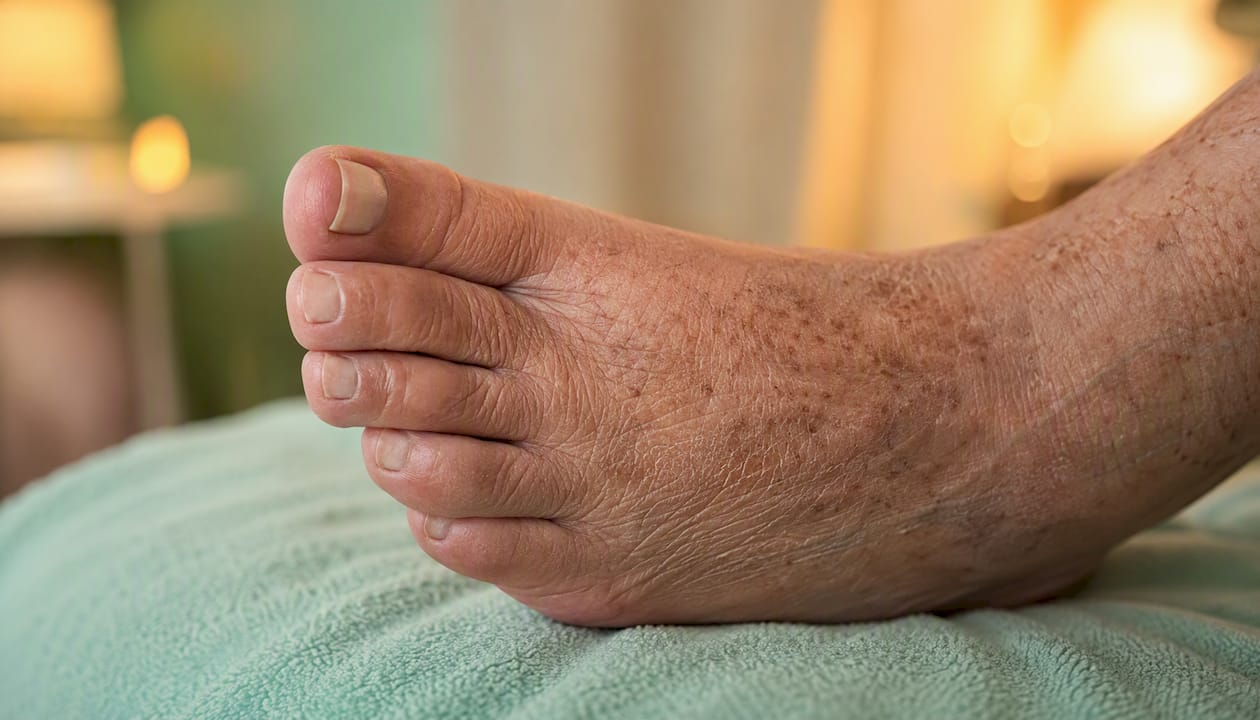
Screening priorities follow directly from these mechanisms: vascular status, cardiac status, skin integrity, and sensory function are the four things that matter most before any session.
2. Absolute contraindications for compression boots
These conditions are absolute stops. Do not apply compression boots without specialist clearance if any of the following apply.
| Condition | Clinical Threshold / Finding | Why It Matters |
|---|---|---|
| Severe peripheral arterial occlusive disease | ABPI < 0.6; ankle systolic pressure < 60 mmHg; toe pressure < 30 mmHg; TcPO2 < 20 mmHg | External compression further reduces already critically low arterial inflow, risking limb ischemia |
| Active or suspected deep vein thrombosis | Untreated or clinically suspected clot | Compression may dislodge the clot and cause pulmonary embolism |
| Decompensated heart failure | NYHA Class IV | Increased venous return precipitates pulmonary edema in a failing heart |
| Suspected epifascial arterial bypass | Clinical history of bypass graft in the limb | Compression over a superficial bypass graft can occlude or damage it |
| True allergy to compression material | Confirmed contact allergy to device materials | Direct skin contact causes allergic reaction; no safe workaround without specialist input |
Immediate actions by condition:
- Active DVT: Stop, remove boots, call your vascular surgeon or go to the emergency department. Do not resume until a specialist clears you in writing.
- Severe PAD by threshold: No sustained compression of any kind until vascular evaluation. An ABI screening is the minimum starting point.
- Decompensated heart failure: Do not use until cardiac status is stabilized and a cardiologist provides written clearance with approved pressure parameters.
- Suspected bypass graft: Require explicit surgeon confirmation of graft location and written approval before any compression near that limb.
- Material allergy: Identify the specific allergen, consult dermatology, and confirm whether a barrier or alternative device material eliminates the risk.
One nuance worth knowing: in some mixed venous-arterial disease cases, a trained clinician may apply inelastic, low-resting-pressure bandaging under close supervision. That is a specialist decision made in a clinical setting. It does not make consumer-grade pneumatic boots safe for those same patients.
3. Relative contraindications that require medical clearance
These are not automatic stops, but they require clinician judgment, objective testing, or modified protocols before you proceed.
NYHA Class III heart failure. Compression may be possible with strict cardiac monitoring, but only with explicit cardiologist guidance. Routine use without that oversight is not appropriate.
Moderate peripheral arterial disease (ABI 0.5–0.8). This range sits between safe and absolutely contraindicated. Some patients in this range can tolerate lower-pressure, shorter-duration sessions under specialist supervision. Others cannot. The Philadelphia Wound Care guidance is clear: borderline ABI values require vascular team input and a written maximum-pressure recommendation before any compression is applied.
Severe diabetic neuropathy. Sensory loss means a patient cannot reliably report pain, pressure, or early signs of tissue injury. The international consensus flags this explicitly: feeling “okay” is not a reliable safety signal when sensation is impaired. A sensory assessment and possibly wound-care or dermatology clearance are warranted.
Active but localized skin disease, fragile or recently healed skin. Cellulitis, active dermatitis, and open wounds are contraindications to compression over the affected area. Healed but fragile skin in older adults or post-radiation patients warrants conservative pressure settings and close monitoring.
Recent lower-limb fracture or surgery. The timing and safety of compression after orthopedic procedures depend entirely on the procedure type, fixation method, and surgeon preference. Never assume compression is safe post-op without explicit surgical clearance.
Anticoagulation history. Patients on anticoagulants for prior DVT or PE need their current vascular status confirmed before compression. Anticoagulation does not automatically make compression safe if underlying disease is present.
Pro Tip: When any of these relative cautions apply, request objective vascular studies — ABI, ankle systolic pressure, or toe pressures — before the first session. Ask the ordering clinician to specify in writing the maximum safe pressure and session duration. Keep that document in the client’s file.
4. Pre-use screening checklist
Follow this checklist before every first session and whenever a client’s medical status changes. It takes about five minutes and catches the conditions that matter most.
History questions to ask:
- Any history of DVT or pulmonary embolism?
- Currently on blood thinners (anticoagulants)?
- Diagnosed with peripheral arterial disease, claudication, or poor circulation?
- Heart failure diagnosis, and if so, what NYHA class?
- Diabetes with numbness or reduced sensation in the feet or legs?
- Recent surgery or fracture in the lower limbs (within the past 12 weeks)?
- Active skin infection, open wounds, or ulcers on the legs or feet?
- Unexplained one-sided leg swelling or pain?
- Pregnant?
Physical inspection before each session:
- Check for pedal pulses (presence or absence at the dorsalis pedis and posterior tibial sites).
- Inspect skin for ulcers, open wounds, blisters, cellulitis, or active dermatitis.
- Look for unilateral swelling, redness, or warmth (DVT red flags).
- Note any color or temperature asymmetry between limbs.
- Ask about and document any sensory impairment.
When to order diagnostic tests:
Any positive history finding related to PAD, claudication, or vascular disease warrants an ABI before the first session. Toe pressures and TcPO2 are indicated when ABI results are borderline or when diabetes makes ABI less reliable (arterial calcification can falsely elevate ABI in diabetic patients). Refer to a vascular lab and request a written safe-pressure recommendation when results fall in the borderline range.
Pro Tip: Require written medical clearance for any client with chronic vascular disease, recent surgery, anticoagulation use, or NYHA Class III heart failure. Keep the clearance document on file and record the approved pressure range and session duration in the client’s chart.
5. Warning signs during or after use
Stop the device immediately if any of the following occur. The severity of the sign determines whether you call 911 or contact a clinician.
Call 911 or go to the emergency room:
- Sudden shortness of breath or chest pain during or after a session
- Severe one-sided leg pain with swelling, warmth, or redness (suspected DVT or PE)
- Syncope or sudden severe dizziness
- Skin that turns pale, mottled, or develops dark discoloration rapidly
Contact a vascular specialist or your primary care provider the same day:
- New persistent pallor or coldness in a limb after the session ends
- Progressive numbness or weakness in the leg or foot
- Increasing localized swelling that does not resolve with rest
- New blisters or skin breakdown at contact points
- Pain that worsens rather than resolves after removing the boots
Stop use and contact your provider before the next session:
- Transient skin redness that resolves within 30 minutes of removal
- Mild prickling or tingling that stops when the session ends
- Mild swelling that improves fully with rest and elevation
The Acibadem consumer guidance on pneumatic recovery devices reinforces this tiered approach: persistent leg pain, one-sided swelling, skin color changes, and shortness of breath all warrant medical evaluation rather than self-monitoring.
A note on severity: the international consensus review found that most compression-related adverse events are minor, such as skin irritation or temporary discomfort. Severe events, including nerve injury, tissue necrosis, and thromboembolic complications, are rare and occur almost exclusively when contraindications are present or devices are misused. Rare does not mean impossible, and the consequences of ignoring a warning sign can be serious.
6. How to reduce risk when compression boots are appropriate
Safe use depends on four things: correct fit, appropriate pressure, session duration, and ongoing monitoring. Get any one of those wrong and the risk profile changes.
Fit and setup:
- Verify correct sizing before every session. Boots should fit snugly but not create visible skin folds or pressure points.
- Remove jewelry, constrictive clothing, and any items that could create localized pressure under the boot.
- Never place boots over open wounds, active skin infections, or areas with known reduced sensation without explicit clinical guidance.
Pressure and duration:
- Start at the lowest available pressure setting for the first two to three sessions.
- Keep initial sessions short (15–20 minutes) and increase duration only after confirming the client tolerates the device without adverse signs.
- Follow the device manufacturer’s recommended pressure ranges and never exceed them without written clinical justification.
Monitoring during sessions:
- Maintain reliable communication with the client throughout. Ask about pain, numbness, or unusual sensations at least once mid-session.
- Inspect skin before and after every session. Document findings.
- Log session parameters: pressure setting, duration, client-reported symptoms, and any skin changes. For clients with medical risk factors, keep these notes in a formal chart.
Staff protocols:
- Train all staff to recognize the red flags listed above and to know the escalation steps.
- Require written medical clearance for borderline cases and keep it on file.
- Maintain a written escalation protocol so any staff member can act without hesitation if a client reports a concerning symptom.
Pro Tip: For older adults or clients with sensory impairment, have a companion or staff member present during the first two sessions. Use the lowest effective pressure and the shortest session duration that achieves the therapeutic goal.
7. Special populations: what changes for specific groups
Diabetes with neuropathy
Not automatically contraindicated, but the silent-injury risk is real. Sensory impairment means a client may not feel pain, pressure, or early tissue damage. Require a sensory assessment before the first session. If significant neuropathy is present, obtain wound-care or dermatology clearance and use conservative pressure settings. DermNet’s compression therapy guidance notes that diabetic leg ulcers require specialist assessment before any compression is applied.
Postoperative patients
Hospital-grade intermittent pneumatic compression devices used in surgical settings are calibrated and supervised differently from consumer recovery boots. Do not assume that because a surgeon ordered IPC in the hospital, consumer-grade boots are automatically safe at home or in a wellness center. Require explicit written clearance from the surgeon or physiatrist, specifying timing, pressure, and duration.
Elderly clients
Older adults have a higher prevalence of PAD, fragile skin, and sensory loss, often without a formal diagnosis. Begin conservatively regardless of reported history. If any vascular risk factors are present, require ABI testing and medical clearance before proceeding.
Pregnancy
Static compression stockings are commonly used during pregnancy for DVT prevention. Pneumatic boots are a different modality with different pressure dynamics. Obstetric clearance is required before use, particularly in the third trimester. Discuss DVT risk, device pressure, and positioning with the obstetric team.
Active cancer in a limb
Use only with oncology team approval. The balance between palliative benefit and thrombosis risk in active cancer is a clinical decision, not a wellness-center judgment call. Consumer safety summaries consistently list active cancer as a condition requiring medical clearance before compression.
8. How Osteostrong screens clients for compression therapy
Osteostrong requires a standardized pre-use screening and written clearance for clients with vascular, cardiac, or recent surgical history before any compression therapy session.
The screening process at Osteostrong Tysons VA and other centers includes:
- A pre-visit health questionnaire covering DVT/PE history, anticoagulation, PAD, heart failure class, diabetes with neuropathy, recent surgery or fracture, active skin conditions, and pregnancy.
- A staff-led physical inspection of pedal pulses, skin integrity, limb symmetry, and sensory status before the first session.
- A requirement for written vascular or cardiac clearance when the questionnaire or inspection raises a flag, with the approved pressure range and session duration documented in the client’s file.
- Session-by-session logging of pressure settings, duration, client-reported symptoms, and post-session skin inspection findings.
- Mandatory staff training on red flags, device removal procedures, and the escalation protocol for urgent and emergency signs.
When borderline results appear, such as an ABI in the 0.5–0.8 range or a history of moderate heart failure, Osteostrong requests ABI, ankle pressure, or toe pressure testing from a vascular lab and consults the appropriate specialist before approving compression sessions. The approved numeric parameters go directly into the client’s chart.
Osteostrong’s pre-session compression checklist
- Health questionnaire completed and reviewed
- Physical inspection documented (pulses, skin, swelling, sensation)
- Medical clearance on file for any flagged condition
- Approved pressure range and session duration recorded
- Staff member trained and present for first sessions with at-risk clients
- Escalation protocol posted and accessible to all staff
What compression therapy actually requires to be safe
Compression therapy is genuinely useful for recovery and circulation. The problem is not the therapy. It is the assumption that because something is available in a wellness center, it carries no meaningful risk.
The clinical thresholds in this article — ABPI below 0.6, ankle pressure below 60 mmHg, toe pressure below 30 mmHg — are not bureaucratic caution. They represent the point at which external compression stops helping and starts cutting off blood supply to tissue that is already struggling. A client who looks fine and reports no symptoms can still be in that danger zone, particularly if they have diabetes, peripheral arterial disease, or heart failure that has not been formally staged.
The right posture for any wellness center offering compression therapy is not “we’ll stop if something seems wrong.” It is “we screen before we start, we document what we approved, and we have a clear plan for when something does go wrong.” That is what separates a safe program from a liability.
Supervised compression therapy at Osteostrong
Osteostrong offers compression therapy as part of a supervised, integrated wellness program that includes osteogenic loading, red light therapy, PEMF mats, and hydromassage. Every compression session begins with a structured screening, not an assumption that the client is cleared by default.
If you have a vascular condition, recent surgery, heart failure, or diabetes with neuropathy and want to know whether compression therapy is appropriate for you, the right first step is a safety-screening consultation, not a self-assessment. Osteostrong staff are trained to identify when medical clearance is needed and to connect you with the right clinical resources before your first session. You can also explore how Osteostrong pairs compression recovery with high-impact bone health programs for a complete approach to musculoskeletal wellness. Schedule your screening at your nearest Osteostrong center to confirm whether compression therapy fits your health profile.
Sources
The following sources informed the clinical thresholds, contraindication lists, and screening guidance in this article. Readers who want to go deeper should start with the international consensus statement, then consult a vascular specialist or wound-care team for individual assessment.
- Risks and contraindications of medical compression treatment – A critical reappraisal. An international consensus statement
- Pneumatic compression devices (Hopkins Medicine)
- Contraindications For Compression Therapy: Safety Checklist – Philadelphia Wound Care
- Compression Boots Side Effects: What to Know
- Normatec Boots: Uses, Benefits, And Safety – Acibadem Hospitals Group
This article is general information, not a substitute for advice from a qualified doctor. Consult a qualified healthcare professional about your own circumstances before acting on anything here.
Trackbacks/Pingbacks